Flatbed Trucking Insurance
- Home
- Operations
- Flatbed & Step Deck
Reviewed November 19, 2026
Operation
Flatbed Trucking Insurance
Flatbed freight is exposed: steel, lumber, building materials, machinery and pipe, secured by your drivers. Cargo forms, securement practices and loading exposures all matter.
Request a Consultation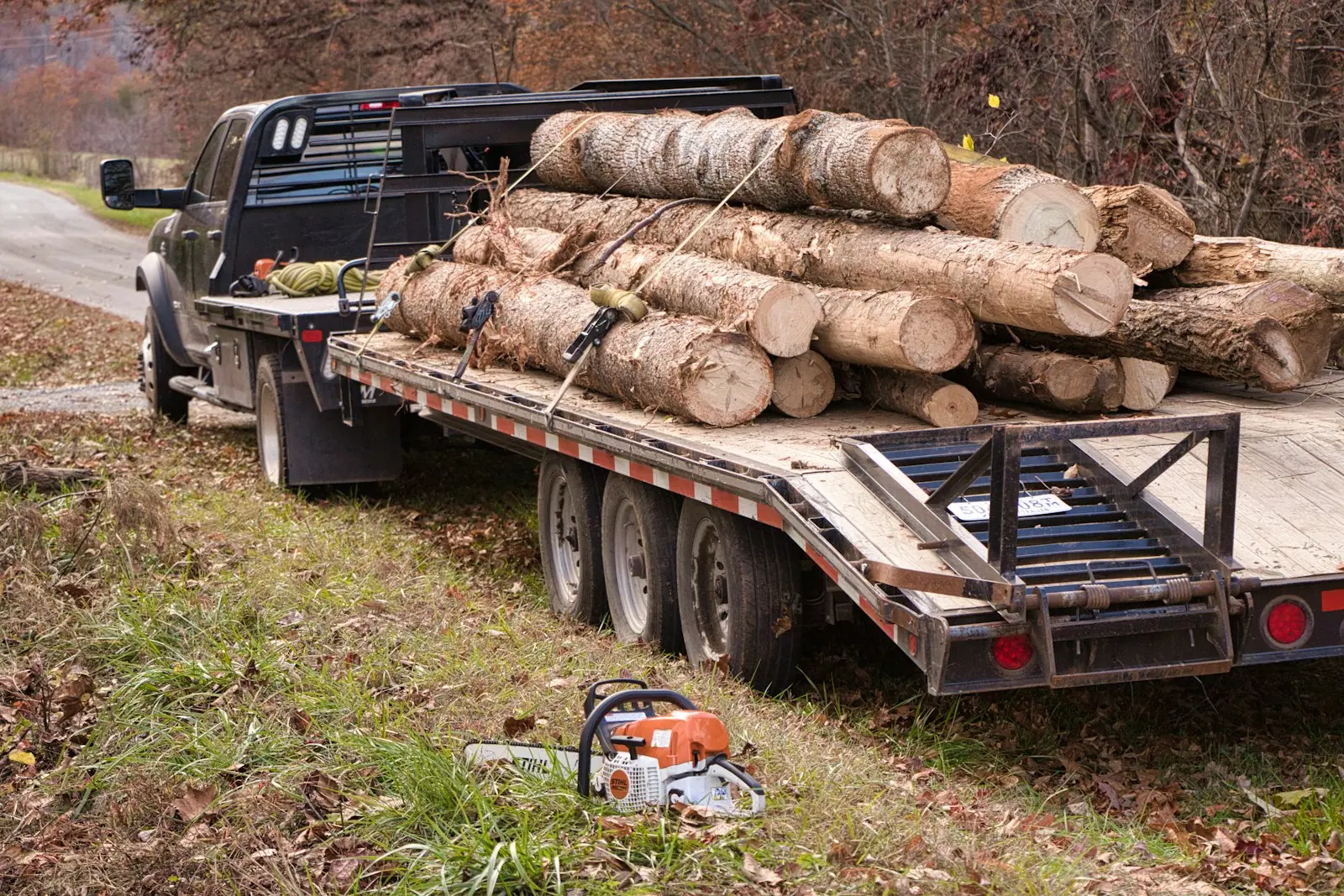
Coverage is written around your commodities, radius, equipment and contracts.
Main risks in flatbed & step deck
- Cargo damage from weather, debris and securement failure
- Load shift and falling cargo liability
- Driver injuries while tarping, strapping and chaining
- High-value machinery and coil loads
- Oversize permits and escort requirements on heavier loads
Coverages that usually matter
| Coverage | Why it matters for flatbed & step deck |
|---|---|
| Motor Truck Cargo | Confirm coverage for weather/wetting and machinery |
| Primary Auto Liability | Falling-load and securement claims |
| Physical Damage | Flatbeds, step decks, conestogas |
| Occupational Accident | Tarping and securement injuries for contractors |
| Workers' Comp | For employee drivers |
Underwriting and loss-control tips
- Follow FMCSA cargo securement rules (49 CFR 393 Subpart I) and document with photos.
- Ask whether your cargo form excludes wetting or rust on steel.
- List tarps, chains and straps if you want them covered.
Getting a quote: have your USDOT/MC number, driver list with license numbers and dates of birth, unit list with VINs and values, commodities, radius, and three to five years of loss runs ready. Need your loss runs? Ask your current agent or carrier in writing.