Owner-Operator Insurance
What an owner-operator needs depends on one question: are you running under your own authority or leased to a motor carrier? We build coverage around the answer and your lease.
Request a Consultation
Key features
Leased on
Physical damage, NTL/bobtail, occupational accident.
Own authority
Primary liability, cargo, physical damage, GL and filings.
Lease review
We read your lease to see what the carrier provides and charges back.
Growth path
Help moving from leased-on to your own authority.
Leased to a motor carrier
| Coverage | Usually provided by |
|---|---|
| Primary auto liability under dispatch | Motor carrier |
| Non-trucking liability / bobtail | You |
| Physical damage on your truck | You |
| Occupational accident | You (often required by lease) |
| Cargo | Carrier, or you if the lease says so |
Some carriers offer insurance through payroll deduction. Compare it; sometimes it is convenient, sometimes you can do better with your own policy that travels with you if you change carriers.
Under your own authority
You are the motor carrier. You need primary liability with an MCS-90 and BMC-91 filing, cargo, physical damage, and often general liability and trailer interchange. You also take on compliance: driver qualification, drug and alcohol testing, HOS, maintenance and UCR/IRP/IFTA.
Deciding? Read leased on vs. your own authority.
Related coverage & guides
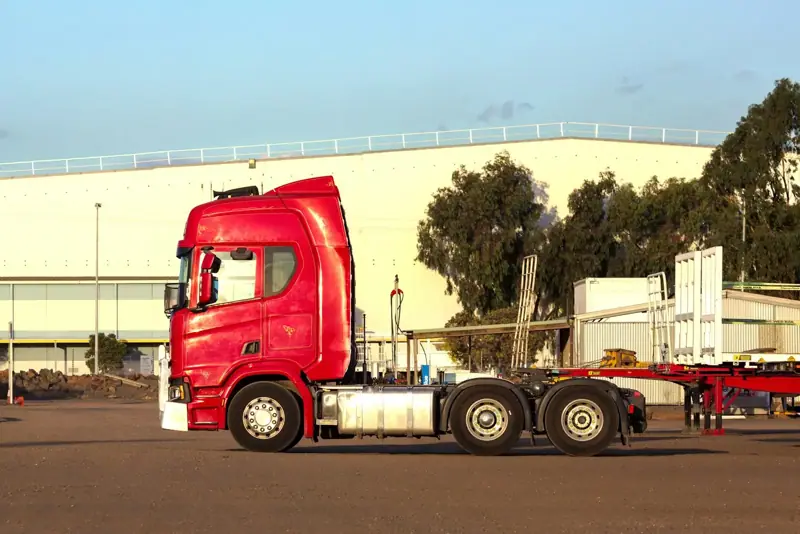
Non-Trucking Liability & Bobtail
If you are an owner-operator leased to a motor carrier, the carrier's liability policy generally covers you…
Read more →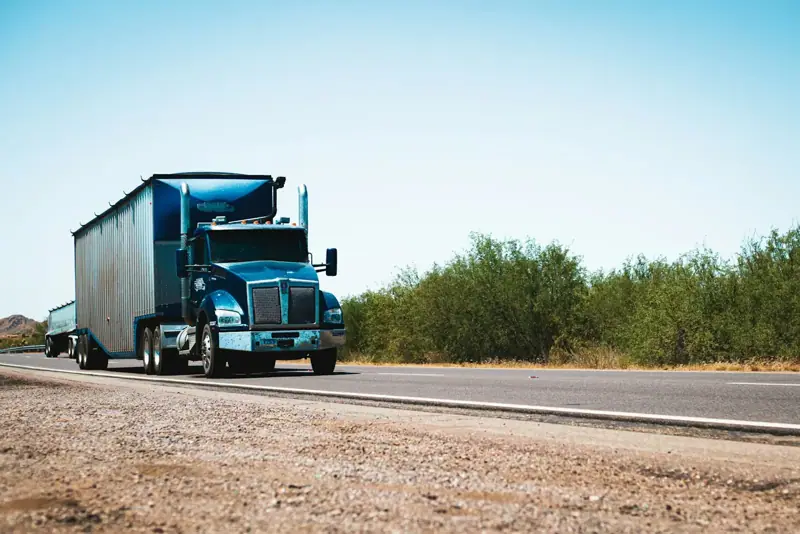
Leased On vs. Your Own Authority
Running under your own authority means more control and more responsibility. Here is how the insurance…
Read more →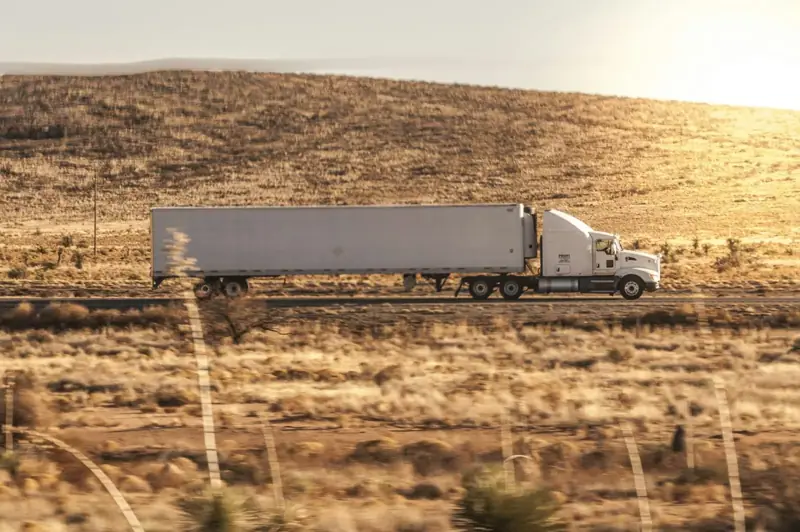
New Venture Trucking
Starting a trucking company means getting insurance in place before your authority can go active, often…
Read more →Owner-Operator Insurance FAQ
How much does owner-operator insurance cost?
It varies widely with authority status, experience, radius, commodities, garaging state and equipment value. We quote based on your actual operation; we do not publish generic averages.