Dump Truck Insurance
- Home
- Operations
- Dump / Sand & Gravel
Reviewed November 19, 2026
Operation
Dump Truck Insurance
Dump operations run short-radius but high-frequency: job sites, quarries, tight streets and heavy loads. Intrastate filings and job-site liability are common needs.
Request a Consultation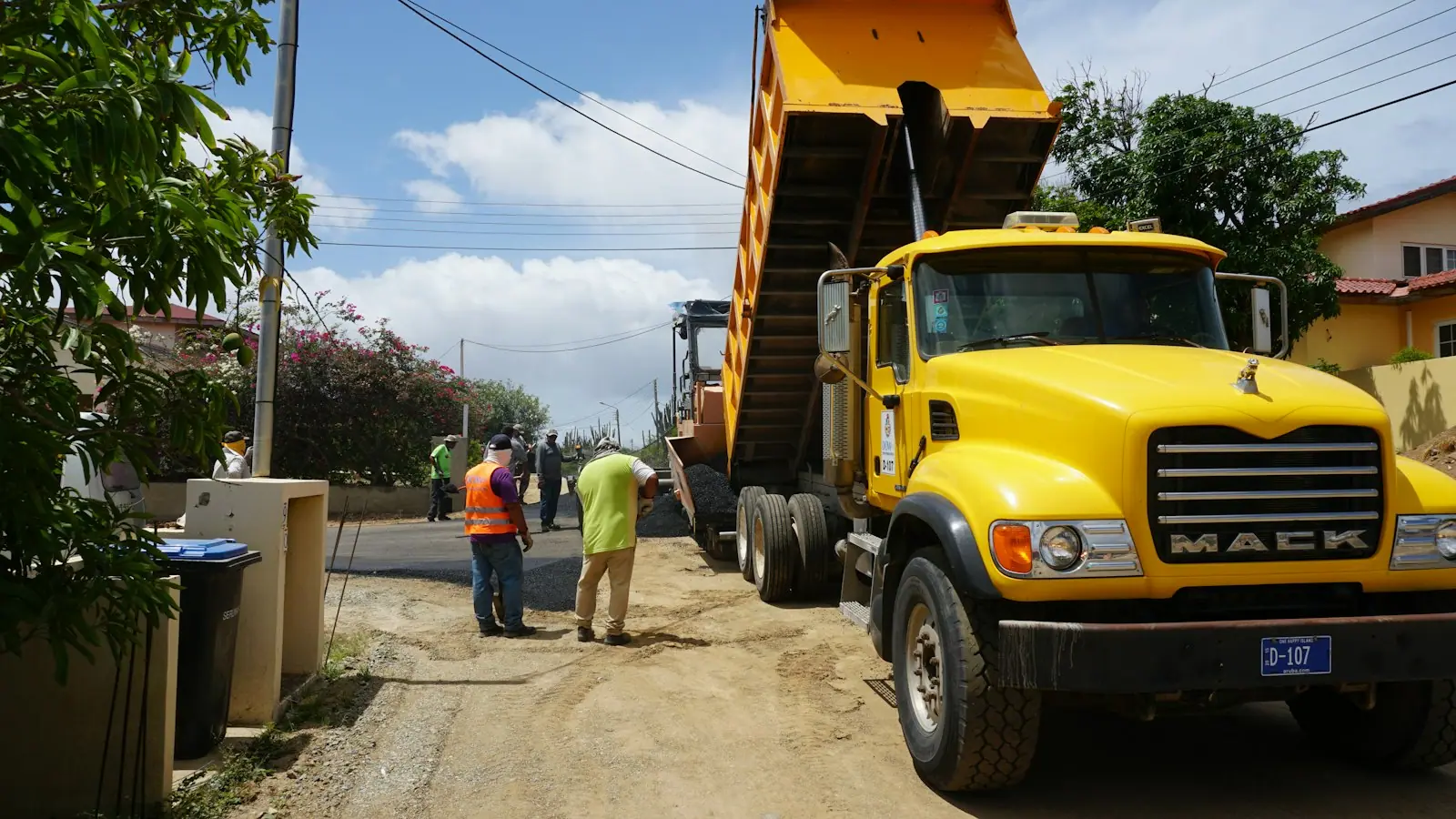
Coverage is written around your commodities, radius, equipment and contracts.
Main risks in dump / sand & gravel
- Rollovers when dumping on uneven ground
- Job-site property damage and power lines
- Rear-end and intersection collisions in town
- Windshield damage from spilled aggregate claims
- Contract requirements from general contractors
Coverages that usually matter
| Coverage | Why it matters for dump / sand & gravel |
|---|---|
| Primary Auto Liability | State or federal filings depending on operation |
| Physical Damage | Dump bodies and trailers |
| General Liability | Contractors often require GL with additional insured |
| Workers' Comp | Employee drivers |
| Umbrella & Excess | Construction contracts often require it |
Underwriting and loss-control tips
- Many states treat dump haulers differently for cargo (for example, South Carolina has a no-cargo class for low-value commodities).
- Tarp loads where required.
- Keep certificates current for every GC.
Getting a quote: have your USDOT/MC number, driver list with license numbers and dates of birth, unit list with VINs and values, commodities, radius, and three to five years of loss runs ready. Need your loss runs? Ask your current agent or carrier in writing.