Box Truck Insurance
- Home
- Operations
- Box Truck / Straight Truck
Reviewed November 19, 2026
Operation
Box Truck Insurance
Box trucks run final-mile, expedited and regional freight, often into dense neighborhoods and loading areas. GVWR drives the federal minimum.
Request a Consultation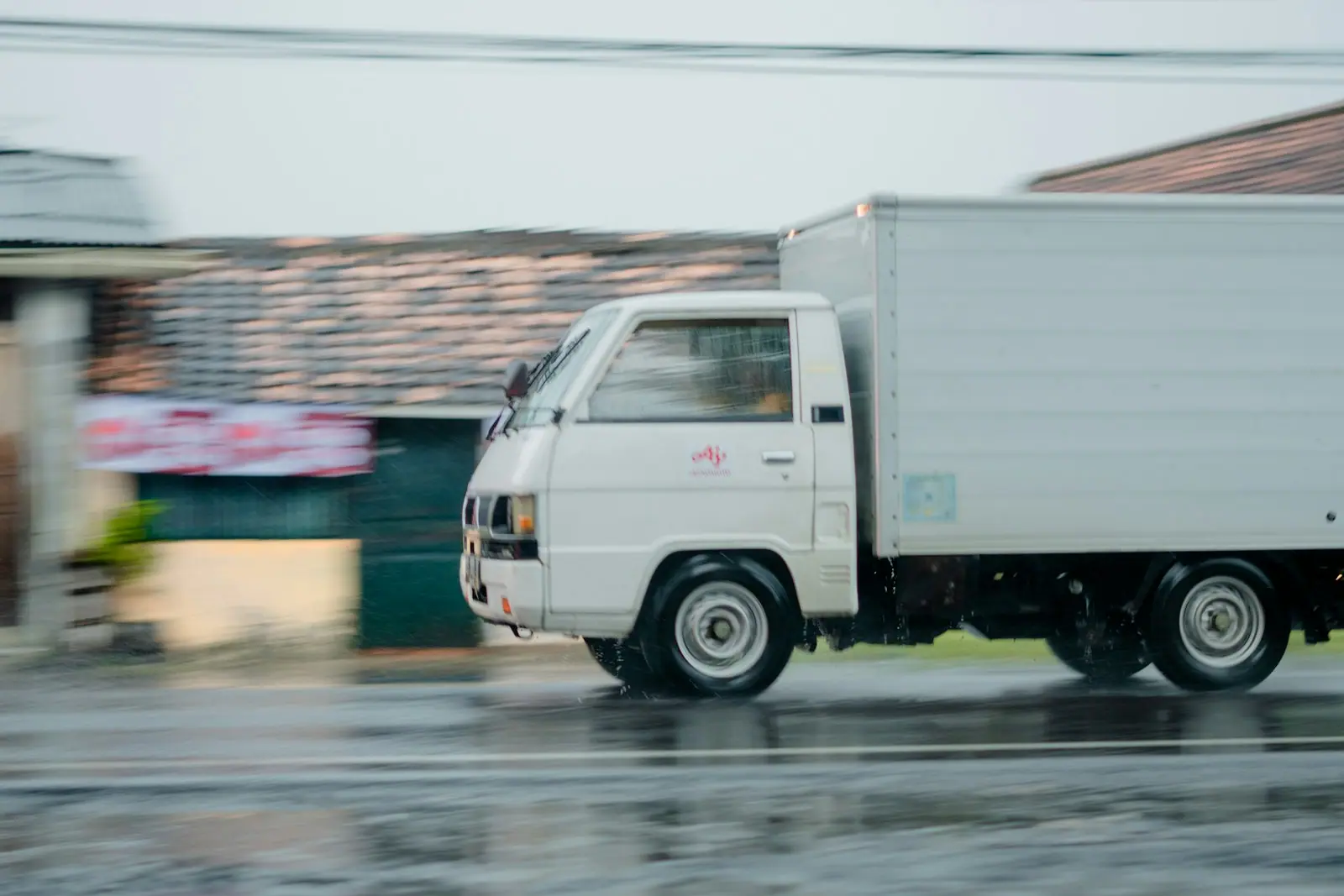
Coverage is written around your commodities, radius, equipment and contracts.
Main risks in box truck / straight truck
- Urban and residential delivery collisions
- Liftgate and loading injuries
- Theft of cargo during multi-stop routes
- Low-clearance and backing accidents
- Driver turnover with non-CDL drivers
Coverages that usually matter
| Coverage | Why it matters for box truck / straight truck |
|---|---|
| Primary Auto Liability | $300,000 under 10,001 lbs GVWR (for-hire non-haz), $750,000 at 10,001+ |
| Motor Truck Cargo | Final-mile and white-glove cargo terms |
| General Liability | Inside delivery and installation exposures |
| Hired & Non-Owned Auto | Rental box trucks during peaks |
Underwriting and loss-control tips
- Backing cameras reduce some of the most common claims.
- Make sure every rented unit is covered before it runs.
- Non-CDL drivers still need driver qualification files for CMVs 10,001+ lbs in interstate commerce.
Getting a quote: have your USDOT/MC number, driver list with license numbers and dates of birth, unit list with VINs and values, commodities, radius, and three to five years of loss runs ready. Need your loss runs? Ask your current agent or carrier in writing.