Claims · By the SemiCover team at Etowah Insurance Group, Inc.
Not every scratch belongs on your loss runs. But there is a bright line: you can choose whether to claim your own minor damage, never whether to report a third-party incident.
Situations where paying yourself can make sense
- Damage to your own truck or trailer that is at or barely above your deductible.
- A minor glass, mirror or body repair with no other party involved.
- A small cargo shortage you can settle directly with a long-term customer, where your policy allows it and no third party is involved.
Situations you should never handle "off the books"
- Anything involving another vehicle, a person, or someone else's property.
- Any injury, however minor it seems.
- Any accident where police were called or a citation issued.
- DOT-recordable accidents and post-accident testing events.
Tell us about it anyway. Even if you pay a first-party loss yourself, let your agent know. We can tell you whether your policy requires notice, and a record protects you if the incident becomes a claim later.
Doing the math
Suppose a trailer door repair costs $1,800 and your physical damage deductible is $1,000. A claim pays $800. That claim will show on your loss runs for the next three to five years, and underwriters count claim frequency as well as dollars paid. For a small fleet, two or three small physical damage claims in a year can matter more at renewal than the $800 recovered. Paying a small first-party repair yourself often makes sense; paying a $9,000 repair yourself to keep loss runs clean usually does not.
Notice conditions
Most policies require notice of an accident or loss "as soon as practicable," whether or not you plan to claim. If you wait, and the incident later grows, for example the other driver claims an injury weeks later, the insurer may argue that late notice hurt its ability to investigate. Reporting an incident is not the same as filing a claim, and your agent can help you report it without opening a first-party claim.
DOT-recordable crashes
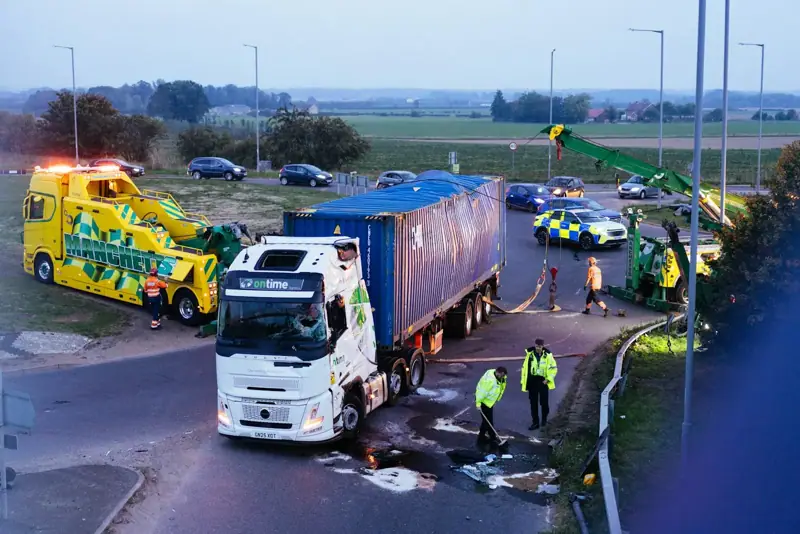
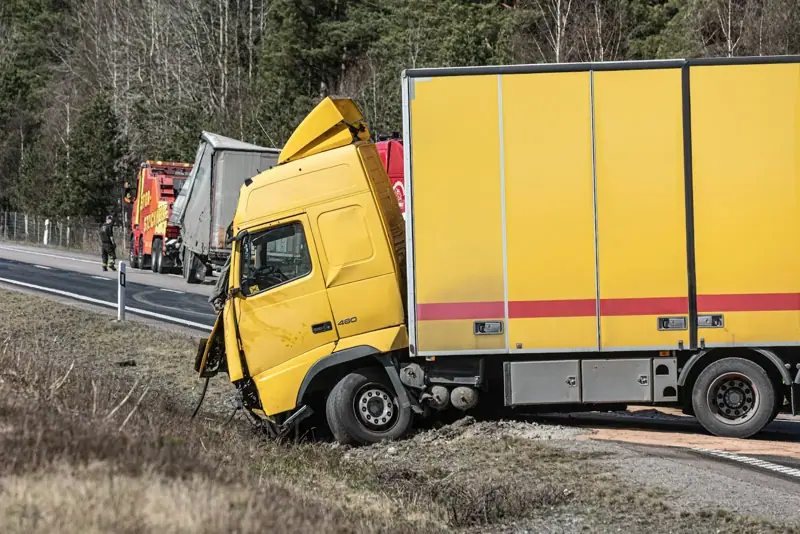
Under 49 CFR 390.5, a crash is DOT-recordable if it involves a fatality, an injury treated away from the scene, or a vehicle towed because of disabling damage. These go in your accident register and appear in FMCSA's crash data whether or not anyone files an insurance claim, so there is nothing to gain by keeping them off your policy.