Coverage Concepts · By the SemiCover team at Etowah Insurance Group, Inc.
Two cargo policies can both say "$100,000" on the certificate and pay very differently. The coverage form is the difference.
Named perils (basic form)
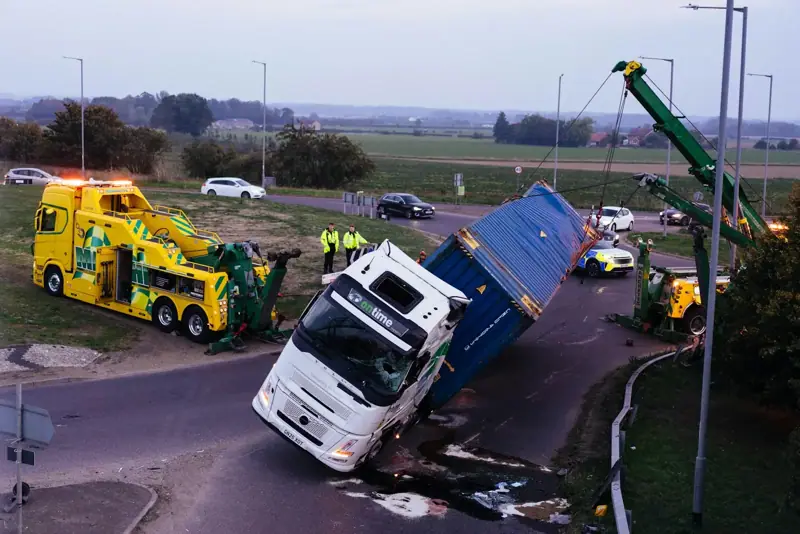
Covers cargo only for causes listed in the policy. Typical lists include fire, lightning, explosion, collision, overturn, upset of the vehicle, theft of the entire shipment, flood and the collapse of bridges or culverts. If a loss is caused by something not listed (for example, load shift without collision or water damage from a leaking roof), there may be no coverage.
Broad form
Covers direct physical loss from any cause except what is excluded. The insurer generally has to show an exclusion applies. Broad form usually costs more but fits most brokered general freight.
Questions to ask about any cargo form
- Which commodities are excluded or sub-limited?
- What are the unattended vehicle and theft conditions?
- Is refrigeration breakdown included or available?
- Is coverage limited to scheduled vehicles?
- Is there coverage for loading and unloading, and at terminals?
- What is the deductible and is there a per-load limit?
- Does it include debris removal, earned freight or sue and labor expenses?
Next: common cargo exclusions.
Two claims, two forms
Load shift with no collision. A driver brakes hard, pallets shift, and product is crushed against the trailer wall. Under a named perils form that lists collision and overturn, there was no collision, so there may be no coverage. Under a broad form, the loss is covered unless an exclusion, such as improper loading by the shipper, applies.
Water through a damaged roof. Rain enters through a hole in the trailer roof and soaks boxed goods. A named perils form that does not list water damage may not pay. A broad form may pay, unless it excludes wetting or damage from a known equipment defect.
The extensions worth understanding
- Earned freight: the freight charges you lose when a load is destroyed and you cannot collect.
- Debris removal: cleaning up damaged cargo after an accident, which can be expensive for bulk or hazardous loads.
- Sue and labor: reasonable costs you spend to protect cargo from further loss, such as transferring a load from a wrecked trailer.
- Terminal coverage: cargo sitting at your yard or dock between moves.
Which one fits
Named perils can be enough for low-value bulk freight such as sand or gravel. For brokered general freight, most broker contracts expect broad form coverage. If the price difference is small, broad form usually avoids the most common disputes.